
TYPES OF THERAPY
COGNITIVE-BEHAVIORAL THERAPY
PRACTICAL TOOLS FOR DAILY LIFE

WHAT IS COGNITIVE-BEHAVIORAL THERAPY (ACT)?
Cognitive Behavioral Therapy (CBT) is a evidence-based approach to psychotherapy that empowers individuals to overcome challenges by changing the way they think and behave. At its core, CBT operates on the principle that our thoughts, emotions, and behaviors are interconnected, influencing our perception of the world and our reactions to it. By identifying and challenging negative thought patterns and beliefs, CBT helps individuals develop healthier, more adaptive ways of thinking and responding to life’s stressors. Through structured sessions and practical exercises, clients learn valuable skills to manage anxiety, depression, and other mental health concerns. CBT equips individuals with the tools they need to navigate life’s ups and downs with resilience, fostering lasting positive change and improved well-being.
WHAT ARE THE BENEFITS OF COGNTII VE-BEHAVIORAL THERAPY?
- Effectiveness: Studies show that CBT is effective in treating a wide range of mental health conditions, with approximately 50-75% of individuals experiencing significant symptom reduction after completing a course of CBT.
- Speed of Improvement: CBT often yields noticeable improvements in symptoms in a relatively short amount of time, with many individuals experiencing positive changes within 12 to 20 sessions.
- Long-Term Benefits: Research indicates that the benefits of CBT are not only immediate but also enduring, with many individuals maintaining improvements in mental health and well-being long after therapy has ended.
- Versatility: CBT is highly versatile and can be adapted to suit the needs of various populations, including children, adolescents, adults, and older adults, as well as individuals with diverse cultural backgrounds and linguistic preferences.
- Complementary Treatment: CBT is often used in conjunction with other forms of therapy or medication, enhancing overall treatment outcomes and providing a holistic approach to mental health care.
- Evidence-Based: CBT is supported by an extensive body of scientific research, with numerous randomized controlled trials and meta-analyses demonstrating its efficacy across different populations and conditions.
OUR CBT SPECIALISTS CAN HELP
THERAPISTS WHO SPECIALIZE
IN COGNITIVE BEHAVIORAL THERAPY

Rachel Riordan, LGPC
Licensed Graduate Professional Counselor

Jessica Elhatw, LMHP-S
Resident in Counseling

Jennifer Polentes, MSW
Supervisee in Clinical Social Work

Dr. Mandie Chung, PsyD
Postdoctoral Fellow

Emily Van Sickle, LPC
Licensed Professional Counselor

Stiphenee Flores Soto, LCSW
Director of Social Work Training
Licensed Clinical Social Worker

Hannah Guffey, LMHP-S
Resident in Counseling

Dr. Jessica Schultz, PhD
Licensed Clinical Psychologist
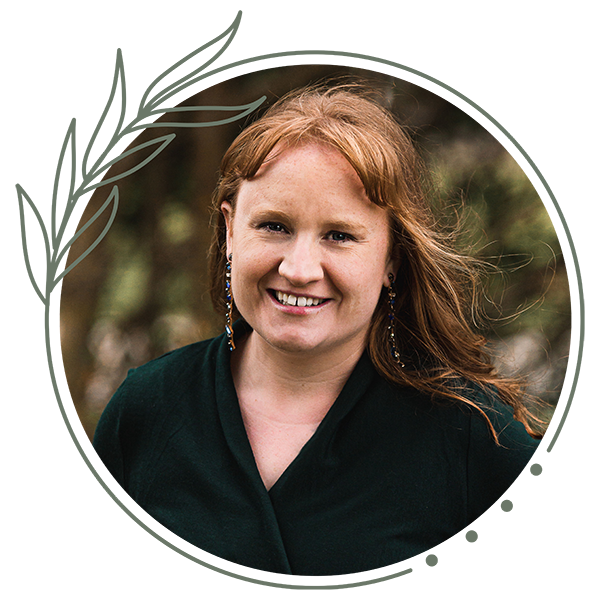
Meghan Hart, LCSW
Licensed Clinical Social Worker
HOW IT WORKS
WHAT ARE THE PHASES OF CBT THERAPY?
Acceptance Commitment Therapy
YOUR FIRST VISIT
During your initial therapy intake, you’ll find a welcoming environment where your comfort and confidentiality are prioritized. Your CBT therapist will guide you through a series of questions, gently unraveling your unique experiences, paying attention to your symptoms, strengths and goals. Together, your CBT Therapist and you will explore your current challenges and hopes for the future. This session lays the groundwork for a trusting therapeutic relationship, ensuring that your therapy journey is tailored to your individual needs and aspirations.
BEGINNING THERAPY
In your first therapy sessions, you’ll explore the foundations of CBT, understanding how thoughts, feelings, and behaviors intertwine to shape your experiences. Guided by our experienced CBT therapists, you’ll learn practical techniques to identify and challenge negative patterns of thinking, cultivate resilience, and foster positive change in your life. It is common for your therapist to assign you homework t track your symptoms and reinforce topics covered in session.
MIDDLE OF THERAPY
As therapy continues, you’ll work closely with your CBT therapist to delve deeper into understanding and reshaping your thought patterns, emotional responses, and behavioral habits. Through collaborative exploration and tailored interventions, your CBT therapist and you build on the skills acquired in earlier sessions, honing your ability to challenge unhelpful thoughts, manage emotions, and implement practical strategies in real-life situations. As you navigate this pivotal phase, you’ll discover newfound resilience, empowerment, and a greater sense of control over your life.
ENDING THERAPY
As therapy ends, you and your CBT therapist will reflect on the progress made, celebrating victories, and addressing any remaining challenges. Together, you’ll consolidate the skills and insights gained throughout your sessions, ensuring they become engrained in your daily life. You may develop a relapse prevention plan to maintain your newfound well-being beyond therapy. This final stage is an opportunity to solidify your growth, cultivate resilience, and step confidently into a future empowered by the tools and understanding you’ve gained.